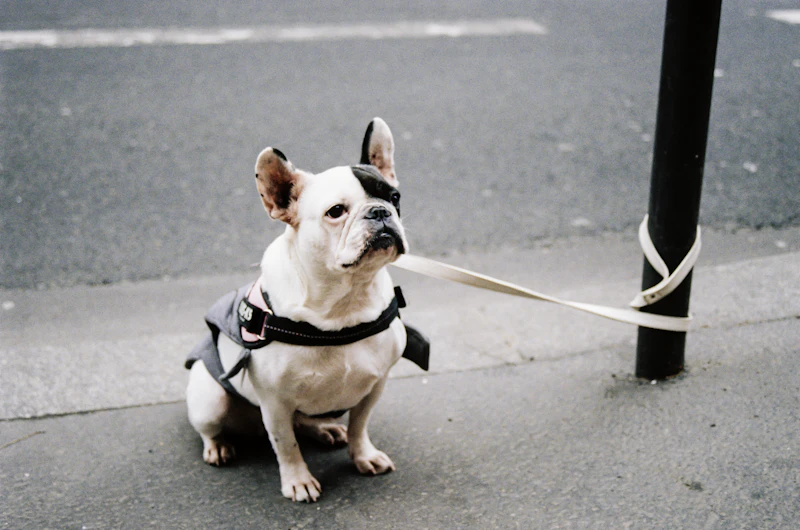
Looking for the best harness for French Bulldogs? The right harness can make all the difference for your Frenchie’s comfort, safety, and daily walks. Because French Bulldogs have a unique body shape and are a brachycephalic (short-nosed) breed, choosing a well-designed french bulldog harness is especially important to protect your dog’s neck and airways. This article covers exactly what to look for, explains harness sizing, and gives practical advice so you can pick the best frenchie harness for your dog’s needs.
Why Harness Fit Matters for French Bulldogs
French Bulldogs are a popular small breed with a flat face, deep chest, and short neck. These traits make them prone to breathing challenges, and their sturdy bodies can make them tricky to fit correctly with generic harnesses. Unlike some breeds, even a short walk can cause Frenchies to pull or strain if their gear doesn’t fit properly.
This is why a well-chosen harness is vital. A properly fitted french bulldog harness avoids pressure on the throat, prevents escape, and helps distribute force safely across the chest and shoulders. It also supports training and comfortable control for both you and your dog.
Key Features to Look for in a French Bulldog Harness
Finding the best harness for french bulldogs means paying close attention to features that address their unique anatomy and lifestyle. Here’s what matters most:
1. Soft, Padded Materials
Frenchies have sensitive skin and can be prone to irritation. Look for harnesses made with breathable mesh, soft neoprene, or padded nylon. Avoid rough or scratchy materials, especially around the edges or straps.
2. Broad, Chest-Centered Design
The harness should distribute pulling forces across the wide, muscular chest, not the neck or under the armpits. Designs with a broad front panel or wide chest strap help prevent chafing and pressure points. Y-shaped, vest-style, or step-in harnesses are often ideal for this body type.
3. Adjustable Straps and a Secure Fit
Because French Bulldogs are compact and solid, flexibility in adjustment points is critical to ensure escape-proof wear. Harnesses with multiple adjustable straps around the neck and girth enable a more tailored fit and reduce the risk of slipping out.
4. Easy On/Off Hardware
Frenchies can be wriggly, and bulky hardware can make harnessing awkward. Look for harnesses with side-release buckles, quick-clips, or step-in designs so you can put it on and take it off quickly. This helps keep the experience stress-free for both you and your dog.
5. Front and Back Leash Attachments
Many frenchie harness models now offer both front (chest) and back (shoulder) leash rings. A front clip discourages pulling by redirecting your dog, while the back ring is good for relaxed walks. Having both options increases versatility and training support.
6. Reflective or High-Visibility Features
If you walk your French Bulldog in low light, consider a harness with reflective stitching, panels, or even LED lights for added safety.
Sizing Guide: How to Measure Your French Bulldog for a Harness
French Bulldogs fall between small and medium dog sizes, but their builds vary. Your dog’s perfect fit may not match standard sizing charts, so measure carefully:
- Neck circumference: Measure around the base of the neck, where a collar would sit.
- Chest girth: Measure the broadest part of the chest, just behind the front legs.
- Weight: Weigh your Frenchie if possible, as this is sometimes used as a guide for harness sizing.
Typical French Bulldogs fit harnesses with these ranges:
| Size | Neck Circumference | Chest Girth | Approximate Weight |
|---|---|---|---|
| Small | 11-14 in (28-35 cm) | 16-21 in (40-54 cm) | 16-22 lbs (7-10 kg) |
| Medium | 13-17 in (33-43 cm) | 19-25 in (48-64 cm) | 22-28 lbs (10-13 kg) |
Always refer to individual brand sizing guides, but use your dog’s measurements as the priority. If your Frenchie falls between two sizes, choose the larger one and adjust down for a comfortable fit.
Checklist: Fitting a Harness Correctly
- The harness should be snug but not tight; you should be able to fit two fingers under all straps.
- No gaping, twisting, or sliding around when your dog moves.
- Chest strap rests above the front legs, not under the armpits where it can rub.
- No pressure on the neck or throat – especially critical for brachycephalic breeds.
Types of Harnesses for French Bulldogs
French Bulldog owners will find several main types of harnesses catering to this breed’s needs. Here’s how the major styles compare:
Step-In Harness
- Frenchie steps front legs into harness, fastened over the back.
- Usually easy to put on and take off, with minimal struggle.
- Good for dogs who dislike harnesses pulled over their heads.
- Look for padding and broad chest coverage to prevent underarm irritation.
Vest-Style Harness
- Looks like a small, padded vest wrapping around your dog’s chest.
- Offers excellent weight distribution and comfort for French Bulldogs.
- Tends to have strong, secure buckles and more surface area to avoid pressure points.
- Great choice for sensitive dogs or those with previous harness aversion.
Y-Front or Roman Harness
- Y-shaped straps go between the front legs and over the shoulders.
- Encourages better movement, articulation, and muscle support.
- Often used for both daily walks and light activity/training.
- Should have plenty of padding and adjustment at both neck and chest for Frenchie comfort.
No-Pull Harness
- Features a front attachment (chest ring) to redirect pulling behavior.
- Useful for young or energetic French Bulldogs who lunge on leash.
- Choose a no-pull harness with a comfortable fit, not a restrictive or tightening one. Frenchies must avoid harnesses that can press on the throat or physically pinch.
Brachycephalic Dog-Specific Harness
- Some companies make harnesses specifically for flat-faced breeds.
- These typically have broad chest coverage, very soft edges, and are engineered to keep all straps low and off the airway.
- If your Frenchie has a history of breathing problems, look for these specialized options.
Selection Criteria: Choosing the Best Harness for Your French Bulldog
Here’s how to narrow down the choices and select a french bulldog harness that truly fits your individual dog:
1. Consider Your Dog’s Activity Level
- For daily walks, choose a harness with sturdy fabric and ample padding.
- If your Frenchie is active or you plan on longer outings, prioritize breathable mesh to avoid overheating.
- No-pull features are useful for leash training and strong dogs.
2. Safety and Escape-Proofing
- Frenchies are powerful for their size and can sometimes ‘back out’ of poorly fitted harnesses. Adjustable straps and secondary safety closures help keep them secure.
- If you walk in busy areas or use public transport, double-check the harness can’t be slipped off even with wriggling.
3. Your Dog’s Sensitivity and Skin Health
- Padded harnesses or vests reduce pressure points and are best for sensitive skin.
- Examine the inside for exposed seams or rough areas that could rub.
- Avoid overly stiff materials, especially for small or senior Frenchies.
4. Weather Considerations
- Lightweight mesh is best for hot climates or dogs prone to overheating.
- For winter, choose harnesses that can be layered over a sweater or under a coat if needed.
- Water-resistant and quick-drying materials are useful for wet or muddy walks.
5. Training and Multi-Function
- If you’re working on leash manners, a harness with both front and back attachments gives you more control.
- Some harnesses include a handle for added support if you need to help your dog over obstacles or into cars.
Common Harness Fitting Issues and Solutions
Even after carefully considering design and sizing, you may encounter certain harness issues with your French Bulldog. Here’s how to address them:
Chafing or Irritation
- Make sure the harness is not too loose, causing excessive movement and rubbing.
- Choose harnesses with wider, padded chest panels and soft seams.
- Rotate between two harnesses if your Frenchie is walked multiple times a day to allow skin to “rest.”
Squeezing the Neck or Restricting Airflow
- The harness neckline should always sit lower than the base of the throat.
- If any part presses into your dog’s airway, try loosening or choose a lower-cut front design.
Slipping Out/Backing Out of Harness
- Adjust all straps to ensure no gaps – double-check during walks, not just when stationary.
- Pick designs with extra girth and neck adjustment for a more customized fit.
Trouble Putting On or Taking Off
- Step-in or over-the-head harnesses are faster and less fiddly for impatient dogs.
- If your dog hates overhead harnesses, select a step-in or buckle-around design.
Care and Maintenance Tips for Frenchie Harnesses
Proper care extends the life of your dog’s harness and ensures ongoing comfort. Here are practical tips:
- Wash the harness frequently, especially if your Frenchie has sensitive skin or allergies. Most padded harnesses are hand-washable; quick-dry mesh versions can often go in a laundry bag and be machine washed on gentle.
- Inspect buckles, rings, and stitching regularly for signs of wear. Replace at any sign of fraying or breakage.
- If the harness smells or gets muddy, use mild dog-friendly detergents and rinse thoroughly to avoid skin irritation.
- Avoid leaving harnesses on all day; let your dog “air out” during downtime to prevent fur matting and hot spots.
Signs You’ve Found the Best Harness for Your French Bulldog
You can tell the harness is right for your French Bulldog when:
- Your dog moves naturally, with no pinching or restriction across the chest or legs.
- There’s no coughing, snorting, or stopping to scratch at the harness during walks.
- Leash tension is spread evenly, not focused at the neck or underarms.
- The harness stays in place and is easy for you to put on, adjust, and remove without a struggle.
- Durability meets your expectations, even with daily use.
Summary Table: Best Features for a Frenchie Harness
| Feature | Benefit for French Bulldogs |
|---|---|
| Padded chest and straps | Reduces chafing and adds comfort |
| Y-shaped or vest-style | Distributes force across the chest |
| Multiple adjustment points | Custom fit to prevent escapes |
| Front and back leash rings | Support training and flexible control |
| Breathable fabric | Prevents overheating |
| Quick-release buckles | Easy to put on and take off |
| Reflective strips | Improved safety in low light |
Frequently Asked Questions
What size harness do most French Bulldogs need?
Most adult French Bulldogs fit either a small or medium harness, depending on their weight and chest girth. The best way to select a size is to measure your dog’s neck and chest and use the brand’s size chart. If your Frenchie is between sizes, size up and use the adjustment features for a snug fit.
Are no-pull harnesses safe for French Bulldogs?
Yes, no-pull harnesses can be safe and helpful for leash training French Bulldogs, provided the design does not press on the neck or restrict the airway. Choose a no-pull harness with a front clip and wide, soft chest piece so it redirects pulling without causing discomfort.
Can French Bulldogs wear harnesses all day?
It’s best to use a harness only for walks, training, or travel. Leaving a harness on all day can increase the risk of skin irritation, hair loss, or discomfort. Give your Frenchie “naked time” without gear when relaxing at home.
How do I stop my Frenchie from slipping out of their harness?
Ensure all harness straps are adjusted correctly—snug but not tight—and choose a design with multiple adjustment points for both the neck and girth. Check that the harness sits low enough on the chest and isn’t too loose. Harnesses with escape-proof features, like an extra belly strap or more coverage, are good options for wriggly dogs.
What’s the difference between a French Bulldog-specific harness and a regular small dog harness?
French Bulldog-specific harnesses are designed for the breed’s unique shape—deep chests, stocky necks, and short stature. They usually have wider chest panels, softer padding, and better adjustability to avoid restrictive pressure and escape risks common with generic harnesses for small dogs.